Miami-Dade roofing rules, in plain words
Miami-Dade sits in Florida's High-Velocity Hurricane Zone. This page says what that means for a roof and what the county asks for, so you can judge any roofing quote, ours included.
Two counties, one stricter code
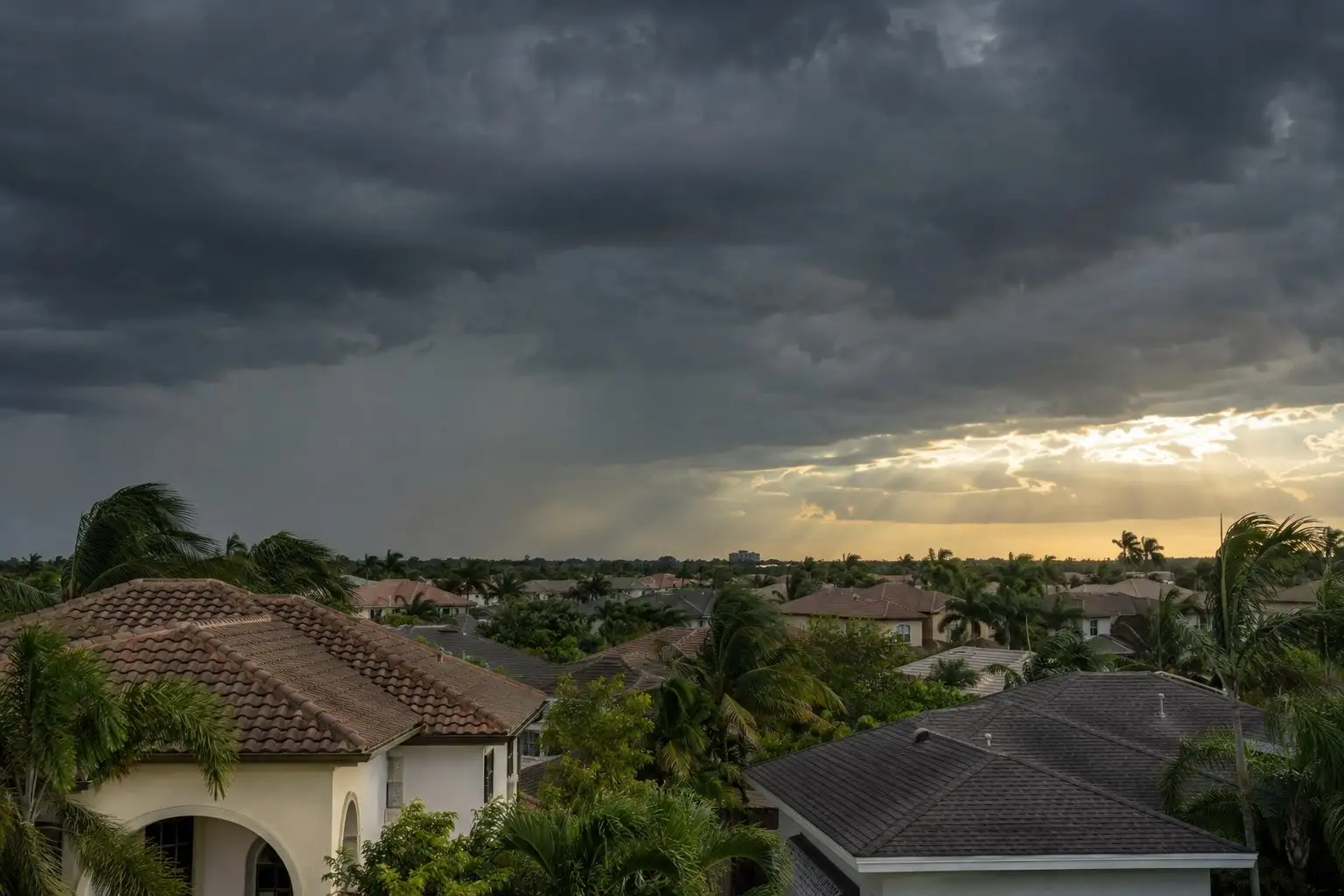
The High-Velocity Hurricane Zone, or HVHZ, is the name the Florida Building Code gives to Miami-Dade and Broward counties. Its roofing sections exist because those counties kept requirements that are stricter than the rest of the state, many of them written after Hurricane Andrew.
In practice that means a roofing system on a Miami-Dade permit is backed by a Miami-Dade Notice of Acceptance, the county's own product approval, and not only by a state approval.
- Applies to Miami-Dade and Broward
- Product approval by the county (NOA)
- Roof calculations with the permit
- Permit from your city
The permit packet
What goes with the roofing application
The county's uniform roofing application lists seven attachments. Which ones apply depends on the type of roof and the work.
The fire directory listing page
The page from the fire directory listing for the roof covering.
Product approval pages
The front page, the system description, its limitations and the detail drawings from the product approval.
Design calculations
Wind-pressure calculations under Chapter 16 of the code, or the county's roofing application standards where they apply.
Other component approvals
The product approvals of the other parts of the roof system, not just the covering.
The municipal permit application
Your city or town issues the permit; the county form travels with it.
The owner's notification
For a re-roof only: a notice to the owner about roofing considerations.
Roof testing or calculation documents
Whatever further testing or calculation the system calls for.
Roof categories and what each one asks for
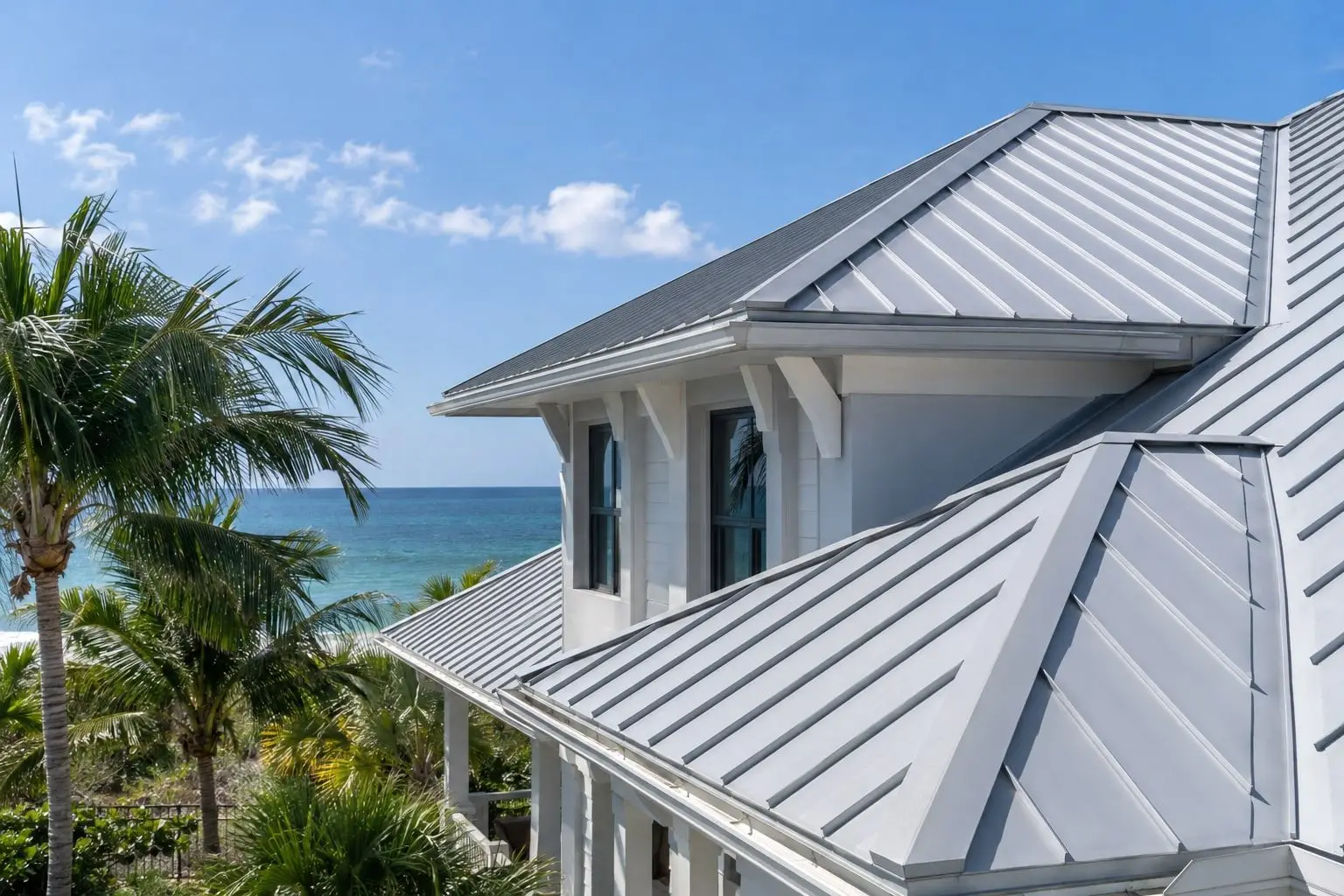
The application sorts roofs into six categories: low slope, asphaltic shingles, mortar or adhesive set tile, mechanically fastened tile, wood shingles and shakes, and metal panels or shingles. It also asks whether the work is a new roof, a repair, maintenance, a re-roof or a recover.
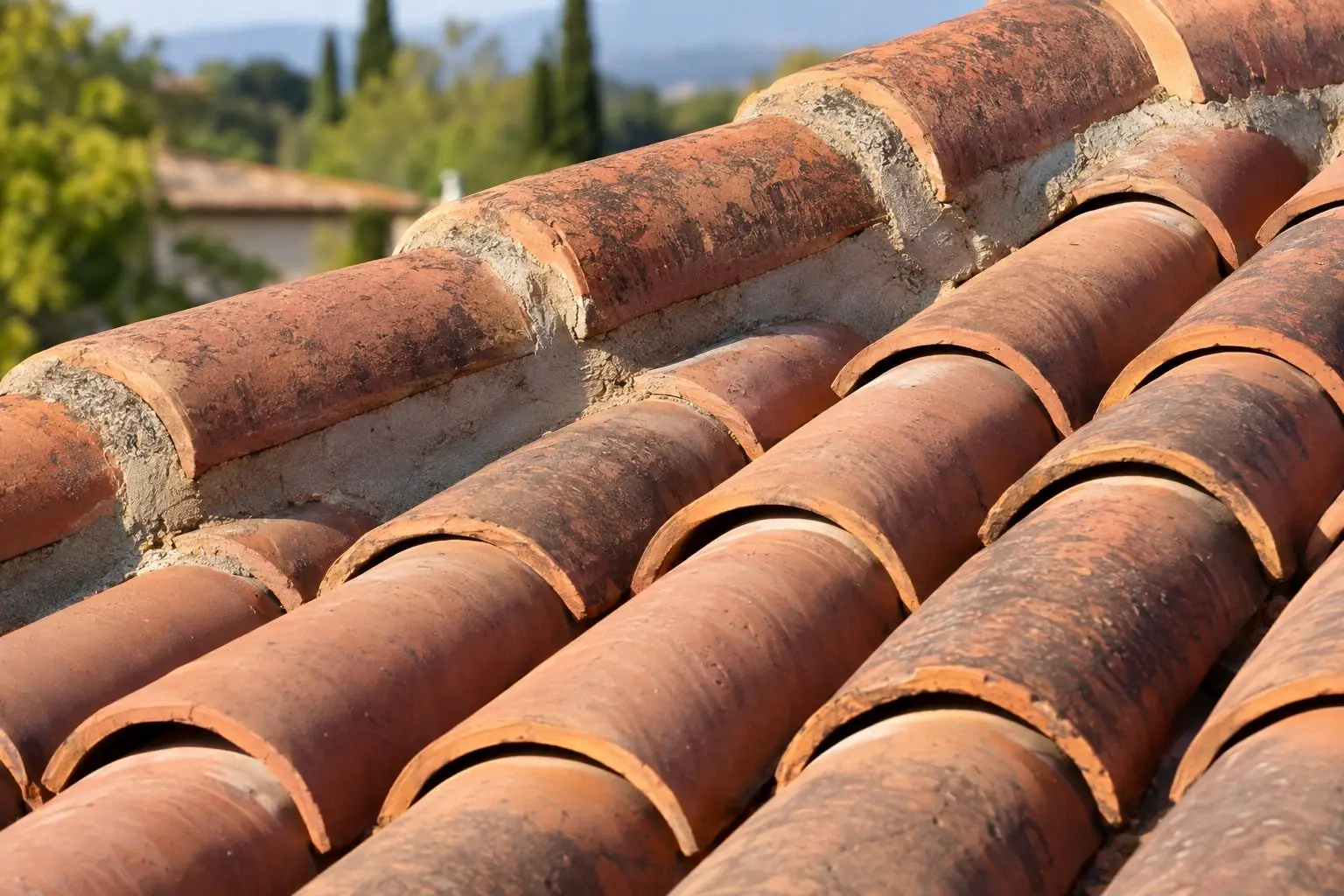
Concrete and clay tile ask for an extra section of uplift calculations, which is one reason a tile roof takes more paperwork than a shingle one.
- Six roof categories
- Five types of work
- Tile roofs add uplift calculations
Questions about the code
Is the code the same across Florida?
No. Most of the Florida Building Code applies statewide, but Miami-Dade and Broward have extra roofing sections for the High-Velocity Hurricane Zone.
What is the county's product approval?
It is the Miami-Dade Notice of Acceptance, often shortened to NOA. A product or system gets one after testing, and the permit application attaches its pages and limits.
Does every roofing job need all seven attachments?
The application lists them by roof type. A low slope roof, a shingle roof, a tile roof and a metal roof each ask for a different set, and the owner's notification applies only to re-roofs.
Who decides if my roof passes?
Your city or town's building department issues the permit and inspects the work. This page is general information, not legal or engineering advice.
Where do these facts come from?
The Miami-Dade High Velocity Hurricane Zone Uniform Roofing Application (Florida Building Code, 8th Edition, 2023), the Miami-Dade product approval pages and the International Institute of Building Enclosure Consultants' paper on the HVHZ and roof consultants.
Request an inspection
Tell us what you noticed and leave your number. We call you back to set a time.